
Traditional Braces – Port Orange, FL
A Proven Solution to Dental Misalignments
Dental alignment issues like gaps, crowding, overbites, underbites, crossbites, and open bites can lead to a host of uncomfortable oral and overall health problems. Fortunately, traditional braces from our office in Port Orange can be a fantastic way to straighten out your teeth so you can enjoy the benefits of having a well-aligned smile. Here’s a quick look at how braces work, but please contact the team at Water’s Edge Dental if you would like to know more.
Why Choose Water’s Edge Dental for Traditional Braces?
- Address Mild to Severe Dental Misalignments
- Prevent a Range of Destructive Oral Health Problems
- Flexible Financing Options Available
How Do Traditional Braces Work?

Dental misalignments can cause a variety of frustrating health problems like:
- Dental infections
- Tooth injuries
- Uneven enamel erosion
- Gum recession
- Hygiene difficulties
- Problems speaking and chewing
- Tooth loss
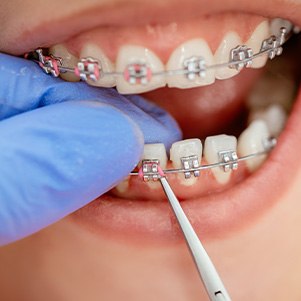
Traditional braces address misalignments by providing consistent pressure through archwires attached to metal brackets cemented to the patient’s teeth. This system exerts the gradual force necessary to slowly shift the teeth into healthier positions, which can close gaps, even out the dental arches, and make it easier for the patient to use their smile normally. Orthodontic treatment usually requires patients to see their oral care provider every six to eight weeks for adjustments, and the process can usually be completed in twelve to twenty-four months. However, the treatment may take longer to address severe misalignments.
What Orthodontic Issues Can Braces Fix?

The first step to receiving braces is to schedule a consultation at our office in Port Orange so Dr. Rolfes can evaluate your oral health and determine the best way to address your problem. He may recommend orthodontic treatment to address issues like:
Bite Misalignment
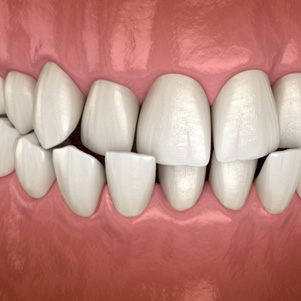
Dental misalignments like overbites, underbites, crossbites, and open bites can lead to a host of unpleasant problems like uneven enamel wear, teeth grinding, and TMJ problems. Braces can address these issues by bringing the teeth into a healthier and more functional alignment.
Crowded & Crooked Teeth
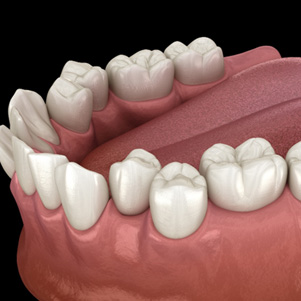
Teeth that are too close together are harder to clean, and those that are positioned at improper angles may be more likely to be injured. Braces can spread the teeth out so they can sit flush next to one another and support each other during the chewing process.
Gapped Teeth
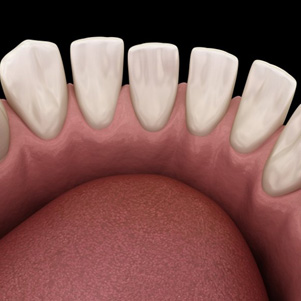
While large gaps can leave the gums exposed to injury and plaque accumulations, some patients may find small spaces in their smile to be unsightly. In either case, braces can shift the teeth closer together so the patient can present a more pleasing grin.
Caring for Your Braces
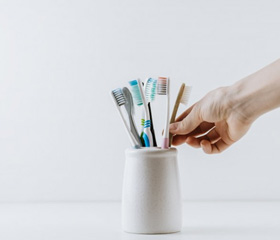
While wearing traditional braces, you will need to adhere to a detailed set of treatment instructions to make sure your realignment process stays on schedule. This will include brushing, flossing, and using specialized hygiene tools to clean between and around your brackets and wires, and you’ll have to avoid crunchy, sticky, sugary, and acidic foods and beverages during treatment. You’ll also need to keep up with regular appointments at your oral care provider’s office.
Understanding the Cost of Traditional Braces
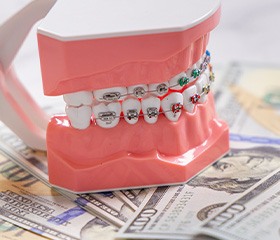
Traditional braces are a major commitment, so it makes sense to learn their price beforehand. However, these brackets and wires don't have a set cost; the latter varies by patient. You'll ultimately need to consult Dr. Rolfes in person for a precise estimate. Once you do, our team will work to make the cost of traditional braces fit your current budget. If you want more details on that process, please keep reading or call us soon.
Factors That Affect the Cost of Traditional Braces
Your consultation will include an oral exam, which (among other things) will check factors that affect the cost of your braces. These include the following:
- Your Age – A patient’s age impacts the difficulty of orthodontic work, thus influencing their treatment’s cost. An example is how adults have firmly set teeth that take longer to shift.
- Severity of Issue(s) – Truly severe orthodontic problems cost more to address, whereas simple ones have a lower treatment price.
- Need for Accessories – Some patients require elastics or space maintainers in addition to braces. If you’re one of them, the “extra” accessories will add to your expenses.
- Care Compliance – If you don’t comply with the guidelines for braces, your teeth won’t move as intended. That outcome will lead to a longer and pricier treatment.
Professional Braces vs. “DIY” Braces: Which Costs More?
Professional braces cost more than “DIY” versions, but they’re ultimately the better investment. They “pay off” over time by saving you plenty of money.
“DIY” braces may have a low upfront price, but they don’t offer good results. Their effects are short-lived (i.e., a year or less) even when they manage to move your teeth. More importantly, they put your smile at an increased risk of turning crooked again.
Adding insult to injury, DIY braces involve long-term spending. Since they typically damage your teeth and gums, they incur costly follow-up care for most folks. The additional “treatment” often takes the form of traditional braces, such that “DIY” versions defeat their own purpose.
Does Dental Insurance Cover Braces?
Most dental plans don’t cover orthodontics, but they’re more likely to offer coverage for metal braces than for aligners. The odds improve further when a patient needs brackets and wires for medical reasons. Still, insurance coverage for braces usually only applies to patients under 18.
If you do qualify, your benefits will probably cover up to 50% of your braces’ cost. Our team can even help that happen by contacting your plan provider for you.
Options for Making Braces Affordable

Even when insurance can’t help, it’s still possible to get affordable braces. All you need to do is rely on our practice’s helpful payment options, such as:
- In-House Membership Plan: By paying an annual fee, you can get a 10% discount on braces and other dental treatments.
- Flexible Financing: Our practice works with Cherry and CareCredit, reputable 3rd party financiers. They’d let you pay for braces through manageable monthly installments.
Don’t put yourself into debt while getting the braces you need. Instead, visit our office – we’ll ensure you get a straight smile that’s budget-friendly!
Traditional Braces FAQs
Am I Too Old to Get Braces?
Since traditional braces are often associated with adolescence, many patients who are in their 20s, 30s, and 40s assume they are “too old” to pursue orthodontic treatment. That’s not the case! Instead, candidacy is determined by factors like the health of your teeth and your commitment to following the treatment guidelines. So, if you are interested in getting braces in Port Orange, don’t hesitate to schedule an appointment with our team at Water's Edge Dental.
Do Traditional Braces Hurt?
When you first get your braces, some soreness and pressure are to be expected. The good news is that sensations like these let you know that your teeth are moving! Plus, there are a few ways you can alleviate them, including placing a cold compress against the outside of your cheek, sipping on cool water, and taking OTC pain medication as directed.
What Happens After You Get Your Braces Off?
At your “final” appointment, our dentist in Port Orange will remove the brackets and wires, allowing you to see your gorgeous new smile. Then, we will take impressions of your teeth so a custom retainer can be made. Once it arrives at our office, you’ll come in so we can show you how to take care of it and discuss how often you need to wear it. It’s important that you follow the directions we give you because, if you don’t, your teeth can gradually drift out of alignment again (a phenomenon known as “orthodontic relapse”).